About Me
I started working with data during my undergraduate studies in Physics at UERJ, where I participated in an acoustics research project supported by FAPERJ. My work involved measuring sound levels and studying how material properties affect acoustic reflection. Working with logarithmic measurements such as decibels taught me an early lesson that continues to influence how I approach data: understanding what a measurement represents is as important as the calculation itself.
After graduating, I worked as a physics teacher. That experience helped me develop a skill that later became important in data science: communicating technical concepts clearly to people with different backgrounds and levels of technical knowledge.
I continued my academic training at CBPF, completing a master's degree as a CAPES scholar and a PhD supported by a FAPERJ Nota 10 scholarship. During my doctorate, I also spent a period at the University of Warwick in the United Kingdom as a visiting researcher. I completed my PhD in 2023, receiving an honorable mention for the thesis. My research background gave me a strong foundation in experimental analysis, statistics, signal interpretation, and distinguishing meaningful effects from noise.
I later moved into industry, applying these skills to practical problems. At BINAHKI, I worked on machine learning solutions for industrial clients, including models deployed on AWS using electrical sensor data from equipment such as furnaces and compressors. In one project, the analysis also helped identify a methodological issue in an existing process that was contributing to unnecessary energy consumption.
At ESPM, where I currently work, I have been helping structure data and analytics capabilities within an area that previously relied heavily on spreadsheets and manual processes. My work includes data pipelines, machine learning, business intelligence, and the development of internal generative AI solutions. I also work on evaluation frameworks to assess model quality, cost, and operational viability before deployment.
What I work with
- Machine learning in production: forecasting, anomaly detection, classification, deployment, and monitoring
- Time series and signal analysis: pattern recognition, noisy data, weak signals, and condition monitoring
- Generative AI and LLM systems: RAG, agentic workflows, evaluation pipelines, and quality measurement
- Data products and decision support: KPI frameworks, dashboards, data pipelines, and translating analytical results into practical decisions
I am particularly interested in problems where data, statistical reasoning, and engineering need to work together. I enjoy building solutions that are technically sound, understandable to stakeholders, and useful in real-world decision-making.
Academic Profile
Research in Condensed Matter Physics and Materials Science
Research Focus
During my doctoral program, I focused my studies on the physical properties of transition metal oxides, with a special emphasis on the investigation of double perovskite-type structures and their impact on the "exchange bias" phenomenon.
My research covers a variety of techniques:
- Magnetic measurements
- Electrical and thermal transport studies
- X-ray diffraction
- Magnetoresistance analysis
- Investigation of strong electronic correlation phenomena
Materials Synthesis Experience
Extensive experience in materials synthesis through various methods:
- Sol-gel synthesis
- Co-precipitation methods
- Solid-state synthesis
- Floating zone techniques
All syntheses included both polycrystals and single crystals of ternary and quaternary rare earth oxides, as well as binary single crystals such as V₂O₅.
Characterization Techniques
- X-ray photoelectron spectroscopy (XPS)
- Raman spectroscopy
- Atomic force microscopy (AFM)
Early Research
- Musical Acoustics and Environmental Acoustics
- Applications of electromagnetic waves in magnetic resonance
- Analysis of sound waves in music
View all publications →
Data Science
Professional Summary
My journey has been shaped by the development and application of statistical models, with a strong focus on identifying patterns, understanding trends, and generating actionable insights.
I developed a strong foundation in scientific problem-solving, quantitative modeling, and rigorous analytical reasoning through end-to-end research projects. This experience includes hypothesis formulation, experimental planning, data acquisition, and the interpretation of complex multivariate phenomena. With this background, I present below a detailed overview of my professional trajectory from a technical perspective.
Technical Skills
Programming & Data Manipulation
- Python (Pandas, Polars, NumPy)
- SQL for querying, transformation, and data management
- PySpark and Databricks for large-scale distributed processing
Data Visualization & Statistical Analysis
- Matplotlib, Seaborn, Plotly
- SciPy and Statsmodels for statistical modeling and inference
Machine Learning & AI
- TensorFlow, Keras, Scikit-learn, XGBoost
- Prophet and Darts for forecasting and time series modeling
Cloud & Ops
- Docker for containerization and portability
- AWS, Azure and Google Cloud for scalable cloud architectures
- MLflow for experiment tracking and model registry
- GitHub for version control and collaboration
- Hugging Face for model deployment and sharing
Computer Vision & Media Processing
- OpenCV for image and video processing
- MoviePy and FFmpeg for video automation
- Pillow for image manipulation
Generative AI
- LLMs (Claude, ChatGPT, Gemini) - Advanced proficiency
Professional Experience
ESPM (Superior School of Advertising and Marketing)
Data Scientist | Aug 2024 - Present
At ESPM, I work on restructuring the data lifecycle across extraction, loading, and transformation workflows, while also designing and maintaining a set of academic quality indicators that support strategic decision-making and pedagogical evaluation.
A major part of my role involves developing and structuring KPIs related to student attraction, retention, progression, and academic performance over time. These indicators allow us to monitor academic outcomes across different admission channels and understand how student performance evolves throughout the program.
In parallel, I help develop analytical products that support the segmentation and classification of newly admitted students, enabling early identification of those who may require academic reinforcement based on previously defined metrics and performance indicators.
Beyond the technical implementation, I actively contribute to the conceptual design of the metrics and frameworks used to map the full academic ecosystem. This includes translating educational goals into measurable indicators, validating assumptions with data, and communicating results to stakeholders.
I also work on complementary solutions such as dashboards that integrate machine learning outputs with academic metadata, as well as automation tools for academic operations. One example is the development of an internal exam-generation platform, which improves efficiency, reduces operational cost, and strengthens the data foundation required to support the KPIs built for institutional monitoring.
- Predictive Analytics: KPI dashboards for approval rates, retention, and academic completion
- Applied Research: ML/AI approaches applied to interdisciplinary academic datasets
- Data Products: Analytics solutions supporting academic management and learning strategies
- Process Optimization: Resource allocation analysis and operational efficiency improvements
Tech: Python, SQL, Azure, Azure Functions, Azure ML, Power BI, Docker, Kubernetes, FastAPI, RAG, Qdrant
BINAHKI
Senior Data Scientist | Sep 2023 - Aug 2024
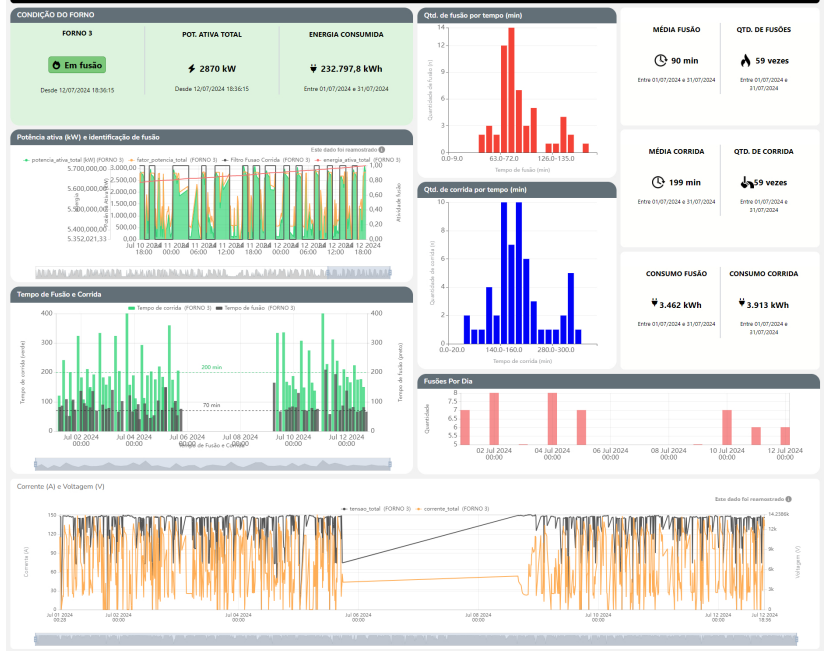
At BINAHKI, I worked on smart monitoring products for multinational clients such as ZF Friedrichshafen, using IoT sensor data to monitor industrial machines and optimize production processes.
The main project involved monitoring industrial furnaces used in steel production through electrical voltage signals. The sensor data was stored in a cloud-based SQL environment integrated with AWS S3, and the pipeline included data ingestion, processing, and model-based detection of operational cycles.
Using Python and TensorFlow, I trained time series models to learn normal behavior patterns and identify key events such as the start and end of each production batch. Based on this cycle-level detection, I built statistical energy-consumption parameters that enabled forecasting of monthly usage and measurement of production efficiency.
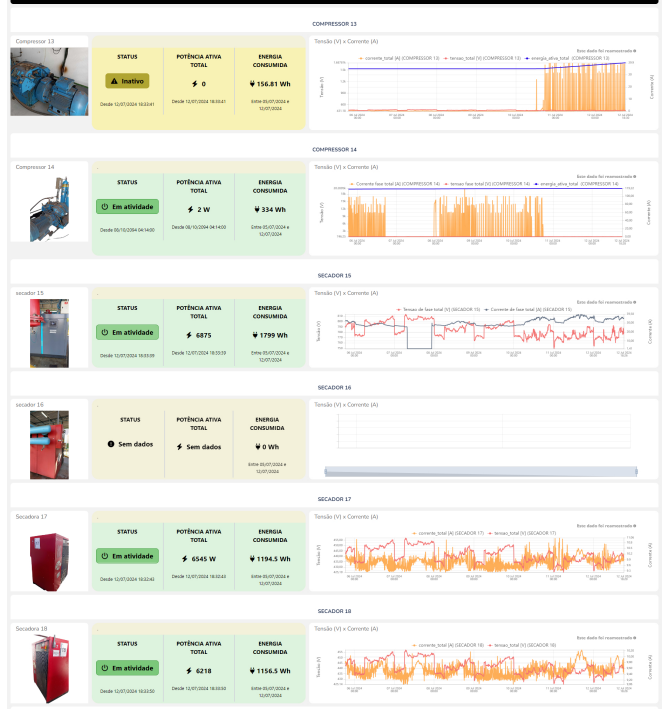
In addition to furnace monitoring, similar IoT solutions were deployed to other industrial machines with the same objective: anomaly detection for predictive maintenance. These models supported early identification of abnormal behavior in equipment involving pumps, torque systems, and mechanical load.
Beyond product development, I also contributed to the design and architecture of data science solutions for public innovation calls. These initiatives resulted in successful proposals, including a project for a sanitation company focused on correcting missing and anomalous records using multivariate time series methods and statistical models such as ARIMAX.
Tech: Python, SQL, PySpark, Databricks, MLflow, AWS (S3, SageMaker, EC2, Lambda), Google Cloud, PostgreSQL, TensorFlow, LSTM, ARIMAX
CBPF (Brazilian Center for Research in Physics)
Scientist | Nov 2017 - Jan 2024
My Master's research focused on combining systematic investigation with advanced laboratory methodology and quantitative interpretation of experimental results. This experience strengthened my ability to convert complex measurements into reliable scientific conclusions.
During my PhD, I conducted a systematic optimization study of physical properties under controlled experimental conditions. I compared the same material across multiple processing configurations and extracted insights from structural, microstructural, electronic, and magnetic datasets. This work required high analytical rigor, reproducibility, and careful interpretation of nonlinear behavior, reinforcing my ability to investigate complex systems and identify causal relationships in data.
This research path strengthened key Data Science capabilities such as experimental design thinking, statistical reasoning, pattern recognition, critical validation, and technical communication. Most importantly, it reinforced the ability to structure findings into clear narratives supported by evidence and consistent methodology.
Publications
2025
Enhanced oxygen mobility in NiAg alloy catalysts for methane dry reforming
ARG Caranton, AVP Lino, C Macchiutti, NRC Huaman, E Annese
Catalysis Today, 455, 115316 (2025)
DOI
2024
Optimization of the exchange bias effect in La₁.₅Sr₀.₅CoMnO₆
Calazans Macchiutti - Ph.D. Thesis, CBPF (2024)
PDF
Tuning the spontaneous exchange bias effect in La₁.₅Sr₀.₅CoMnO₆
JR Jesus, FB Carneiro, L Bufaiçal, RA Klein, Q Zhang, C Macchiutti
Physical Review Materials, 8(4), 044408 (2024)
DOI
2023
3d and 5d electronic structures in Ba- and Ca-doped double perovskites
JRL Mardegan, LSI Veiga, T Pohlmann, et al., C Macchiutti
Physical Review B, 107(21), 214427 (2023)
DOI
2022
Structural, electronic and magnetic properties of La₁.₅Ca₀.₅(Co₀.₅Fe₀.₅)IrO₆
L Bufaiçal, MAV Heringer, JR Jesus, A Caytuero, C Macchiutti, EM Bittar
J. Magn. Magn. Mater., 556, 169408 (2022)
DOI
2021
Master's Thesis: Synthesis and characterization of single crystals
Calazans Macchiutti - CBPF (2021)
PDF
Absence of zero-field-cooled exchange bias effect in single crystalline compounds
C Macchiutti, JR Jesus, FB Carneiro, L Bufaiçal, M Ciomaga Hatnean
Physical Review Materials, 5(9), 094402 (2021)
DOI
2020
Tuning the spontaneous exchange bias effect with Ba to Sr partial substitution
M Boldrin, AG Silva, LT Coutrim, JR Jesus, C Macchiutti, EM Bittar
Applied Physics Letters, 117(21), 212402 (2020)
DOI
Unveiling charge density wave quantum phase transitions by x-ray diffraction
FB Carneiro, LSI Veiga, JRL Mardegan, R Khan, C Macchiutti, A López
Physical Review B, 101(19), 195135 (2020)
DOI
2019
Zero-field-cooled exchange bias effect in phase-segregated La₂₋ₓAₓCoMnO₆₋δ
LT Coutrim, D Rigitano, C Macchiutti, TJA Mori, R Lora-Serrano
Physical Review B, 100(5), 054428 (2019)
DOI
2017
Física e Música (Physics and Music)
FN Grillo, HE Perez, C Macchiutti - Book, MNPEF (2017)
Co-author of Chapter 3 on physics and music.
PDF
Projects
Auditable Agentic RAG
A retrieval agent for regulated use - refuses without evidence, enforces scope during retrieval, and logs every decision. 18/18 on a behavioural golden set, zero scope leaks.
Python
Claude
Qdrant
RAG
Evals
FastAPI
Handwritten Document RAG (pt-BR HTR)
A compact 4.3M-parameter CRNN-CTC recognizer trained from scratch for Brazilian Portuguese, benchmarked against a TrOCR challenger and plugged into a document-RAG pipeline as a swappable reader.
Python
PyTorch
CRNN+CTC
TrOCR
Qdrant
RAG
Fraud Detection (KYC/KYT)
ML-based fraud detection comparing supervised and unsupervised approaches.
Python
XGBoost
TensorFlow
Scikit-learn
Logistic Data Assessment
Analytics suite for tracking delays, seasonality, and predictive risk scoring.
Python
SQL
Scikit-learn
Gradient Boosting
SMOTE
Water Treatment Monitoring
Real-time monitoring of three treatment plants: forecasting, anomaly detection and alerting.
Python
Prophet
ARIMA
XGBoost
Isolation Forest
Streamlit
Voltage Time Series LSTM
LSTM neural network for voltage prediction and anomaly detection.
Python
TensorFlow
LSTM
XGBoost
SMOTE
View all repositories on GitHub
Auditable Agentic RAG
A retrieval-augmented agent built for regulated use: it refuses without evidence, never answers outside a user's scope, and writes every decision to an audit trail
Figures & Results
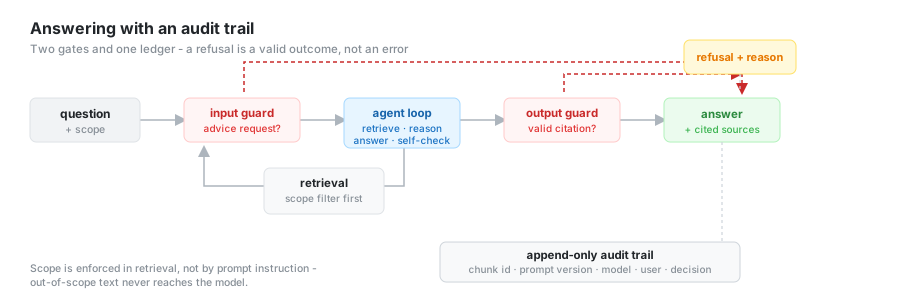
Two gates and one ledger
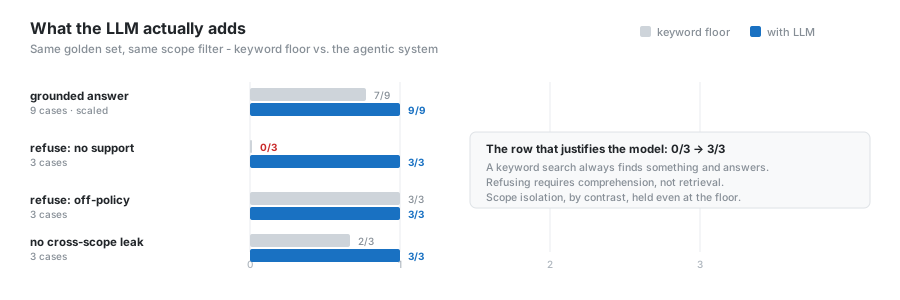
18/18, zero scope leaks
Project Overview
Most RAG demos answer well and stop there. In a bank or an asset manager, answering well is table stakes - the questions that decide deployment are different: did it refuse when it had no evidence? could it leak one client's data into another's answer? can you reconstruct, months later, why it said what it said? This pipeline is built around those three.
The Central Design Decision
The model explains; it never computes and never decides. Every figure must appear literally in a retrieved passage, and every claim carries its source. Swap the model and the numbers do not move - only the wording. Scope works the same way: permissions become a metadata filter applied during retrieval, so out-of-scope text never reaches the model. Restricting by prompt is a request, not access control.
Main Products / Deliverables
- Agentic RAG pipeline - retrieve → reason → answer → self-check, structured output, hard budget of two LLM calls per question.
- Guardrails with four refusal decisions - off-policy request, no evidence, no citation, fabricated citation. Off-policy is caught before any LLM call is spent.
- Append-only audit trail - passage IDs, prompt version, model, user, decision. Stores the hash of each passage, never the text.
- Two-layer eval harness - deterministic oracles first, LLM judge only on what was answered.
Results & Impact
Against a keyword floor using the same scope filter, the system scored 18/18 with zero scope leaks. The row that justifies the model is refusal for lack of evidence, 0/3 → 3/3: a search always finds something and answers - refusing requires comprehension, not retrieval. Scope isolation, by contrast, held even at the floor, because the restriction is structural. Judge metrics over the 10 answered items: faithfulness 1.000, answer relevancy 1.000, context precision 0.243 - the last reported rather than hidden, since it measures retrieval noise on a deliberately small corpus.
Full case study
View on GitHub
← Back to Projects
Handwritten Document RAG
A compact Brazilian-Portuguese HTR model trained from scratch, evaluated against alternative architectures, and integrated as a pluggable reader in an end-to-end document-RAG pipeline
Figures & Results
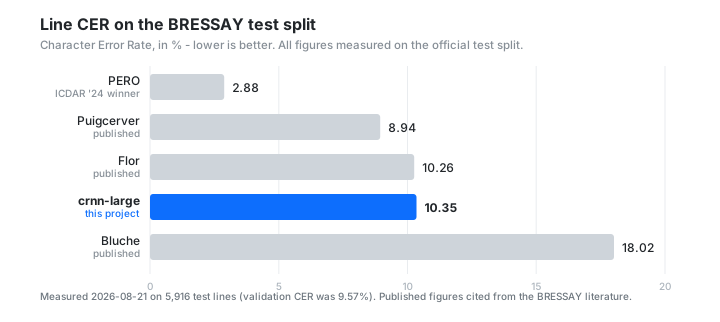
Benchmark: 9.57% CER
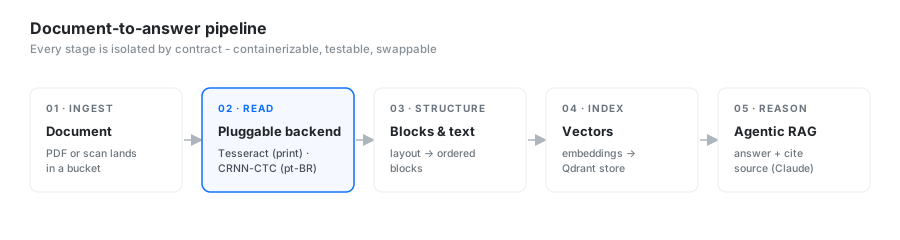
Architecture
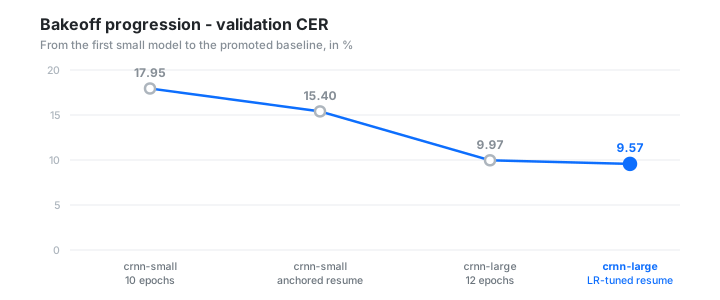
Progression
Project Overview
The core system is an agent that structures PDFs for retrieval-augmented generation. Printed-text OCR handles typed pages, but handwriting it cannot - and no public HTR model exists for Brazilian Portuguese. So I built the handwriting reader from scratch and plugged it in behind the same interface as the existing OCR, selectable at runtime. Nothing downstream needs to know whether a page was typed or handwritten.
Main Products / Deliverables
- pt-BR HTR model - a versioned artifact (weights + alphabet, sha256), 4.3M params, 17 MB; CPU-friendly inference, no GPU required to serve.
- Pluggable reading backend - a drop-in OCR/HTR reader behind
available() + ocr_blocks(), swappable with Tesseract without touching the pipeline.
- Document-to-answer pipeline - PDF structuring, vector retrieval, and an agentic RAG loop that turns scanned documents into cited answers.
- Reproducible bakeoff harness - the evaluation and promotion-gate system that picks models by metric, plus a parametrized Colab notebook for managed GPU training.
Key Questions Answered
- Can a competitive Portuguese handwriting reader be trained with no pre-existing model and no local GPU?
- Which architecture actually wins - decided by a metric on the official split, not by intuition?
- How does a research model become a swappable component of a cloud pipeline?
Methodology - how the 9.57% was reached
The number is the output of a disciplined, reproducible procedure. The metric was written before the models: CER is aggregated across the corpus (edits and lengths summed before dividing, as in the ICDAR 2024 evaluation) so the result is directly comparable to published work.
- Fixed the ground rules. Official BRESSAY splits (19,565 train / 4,609 validation lines), never a custom partition. The alphabet (96 classes) is built from the training split only and travels with the checkpoint.
- Framed a bakeoff with a promotion gate. A challenger only replaces the baseline if it beats its validation CER. Baseline: CRNN + CTC (no autoregressive decoder, so it cannot hallucinate). Challenger: a fine-tuned TrOCR.
- Trained with stable, cheap choices. Adam,
ReduceLROnPlateau on validation CER, gradient clipping, and the checkpoint saved is the best epoch, not the last; resumes are anchored so a noisy epoch never overwrites a good checkpoint.
- Read the curve, not the folklore. The epoch 8 - 10 oscillation was not overfitting but a learning rate too high - cutting it 1e-3→5e-4 moved crnn-small's 15.40% down to crnn-large's 9.57%.
- Evaluated at three levels. Line CER guides training, the segmenter count is checked against ground truth, and page-level CER is measured end-to-end.
How the Technologies Were Used
- PyTorch - the CRNN reader (CNN → bidirectional LSTM) and a custom training loop with best-checkpoint saving, LR scheduling, and anchored resume.
- CTC loss - alignment-free line recognition with greedy decoding; the reason the baseline is trustworthy.
- Hugging Face Transformers / TrOCR - the challenger, fine-tuned with AMP/fp16, LR warmup + cosine decay, and gradient accumulation on GPU.
- PyMuPDF & Tesseract - PDF structuring and the printed-text OCR backend, behind the same contract as the HTR reader.
- Qdrant + FastAPI + Claude - vector retrieval, service layer, and an agentic RAG loop that cites its source.
- pytest & Colab - 105+ tests (hermetic and smoke) and a parametrized notebook for managed GPU training.
Technologies
PyTorch
CRNN + CTC
TrOCR
Qdrant
FastAPI
Claude / RAG
PyMuPDF
Tesseract
pytest
Getting Started
git clone https://github.com/Calazansmacchiutti/Stratifile-Agent-PDF.git
cd Stratifile-Agent-PDF
pip install -e .
python scripts/train_trocr.py --smoke # validate the pipeline on CPU
python scripts/train_bressay_local.py --model crnn-large --epochs 12
python scripts/train_trocr.py --epochs 8 --batch 8 # TrOCR challenger (GPU)
Results & Impact
A Brazilian-Portuguese handwriting reader that stands among published academic baselines despite CPU-only training (9.57% line CER, beating Flor and Bluche), delivered as a 17 MB versioned artifact ready to ship as a small containerized service. Because every stage is isolated by contract, the recognizer can be swapped - the moment the TrOCR challenger clears the gate - without touching the rest of the pipeline.
Full case study
View on GitHub
← Back to Projects
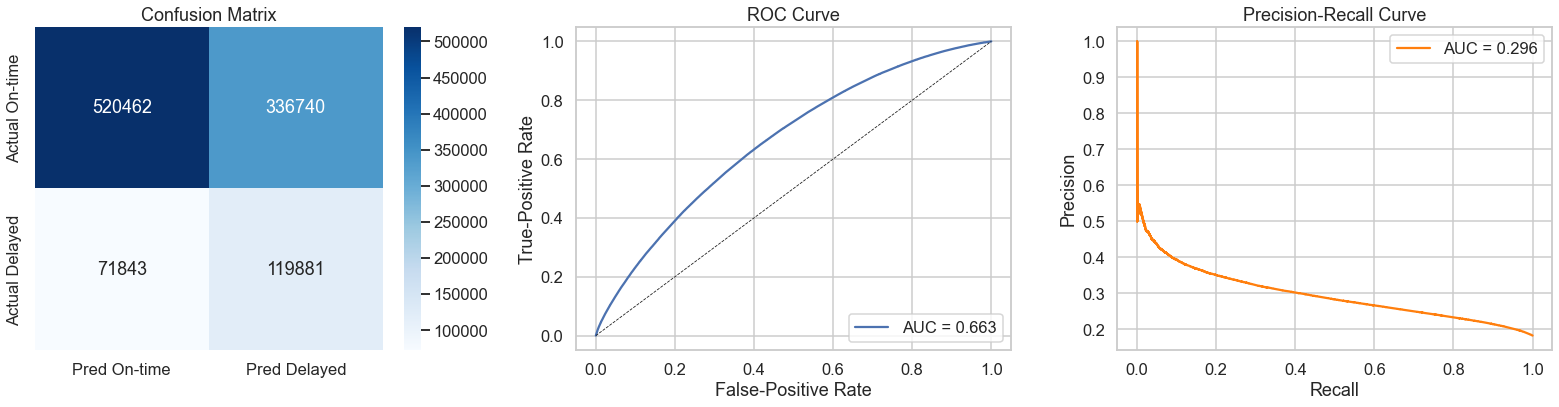
Logistic Data Assessment
Exploratory and predictive analytics for operational efficiency in logistic networks
Screenshots
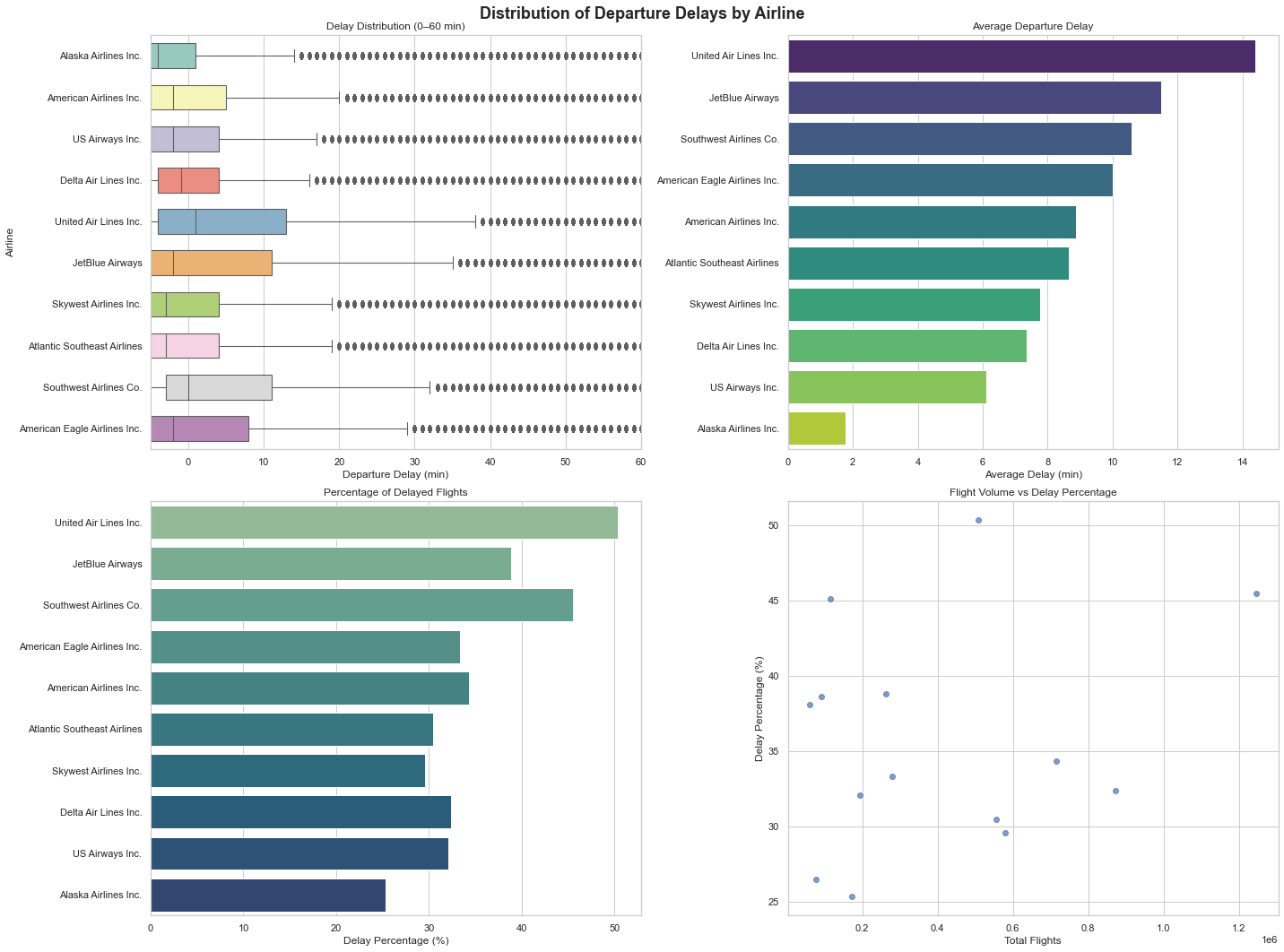
Departure Delays
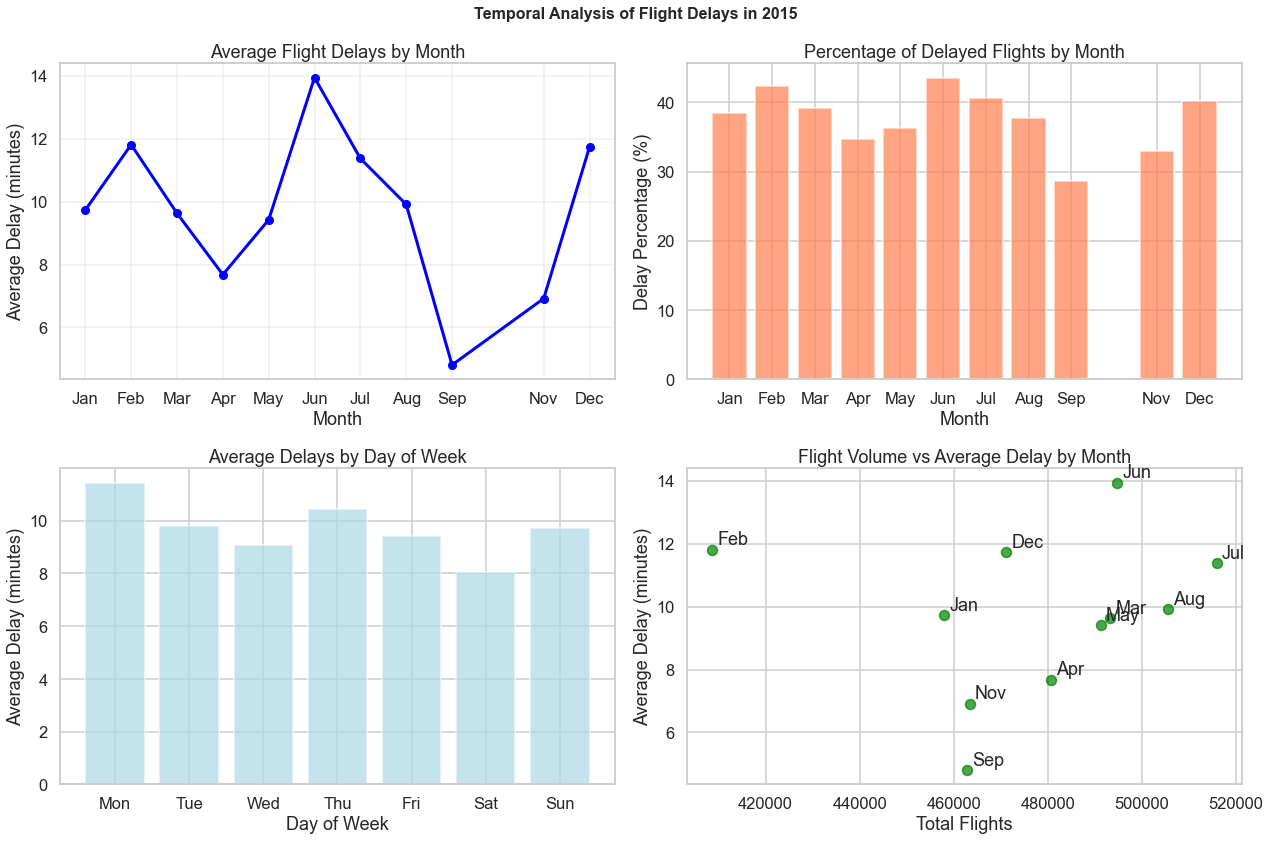
Seasonality
Model Insights
Project Overview
This project consolidates exploratory analysis, KPI monitoring, and predictive modeling for a logistic operation handling thousands of daily deliveries. The objective is to surface actionable insights for dispatch planning, identify systemic bottlenecks, and forecast risk factors that affect service-level agreements.
Key Questions Answered
- What routes, hubs, and shifts are the main contributors to departure delays?
- How do seasonal patterns and workload peaks affect fleet punctuality?
- Which operational variables most influence delay risk according to the predictive models?
Analytical Highlights
- Interactive dashboards covering delay distribution, seasonal effects, and operational KPIs
- Machine learning pipeline (gradient boosting and logistic regression) for delay risk scoring
- Explainability layer with feature importance, SHAP interpretation, and scenario simulation
- Automated data quality checks and anomaly alerts for incoming logistic batches
Workflow
- Data ingestion from transactional systems and IoT telemetry with validation routines
- Feature engineering combining route metadata, fleet schedules, weather, and customer SLAs
- Model training and cross-validation with monitoring for drift and performance decay
- Packaging of results into dashboards and API endpoints for operational teams
Technologies
Python
Pandas
Polars
Scikit-learn
LightGBM
Plotly
FastAPI
Results & Impact
The combined analytical assets contributed to a measurable reduction in average departure delays during pilot operations, while the predictive service surfaced upcoming high-risk routes for review. Operational teams now rely on the dashboards to reallocate resources earlier and plan contingencies for peak seasons.
View on GitHub
← Back to Projects
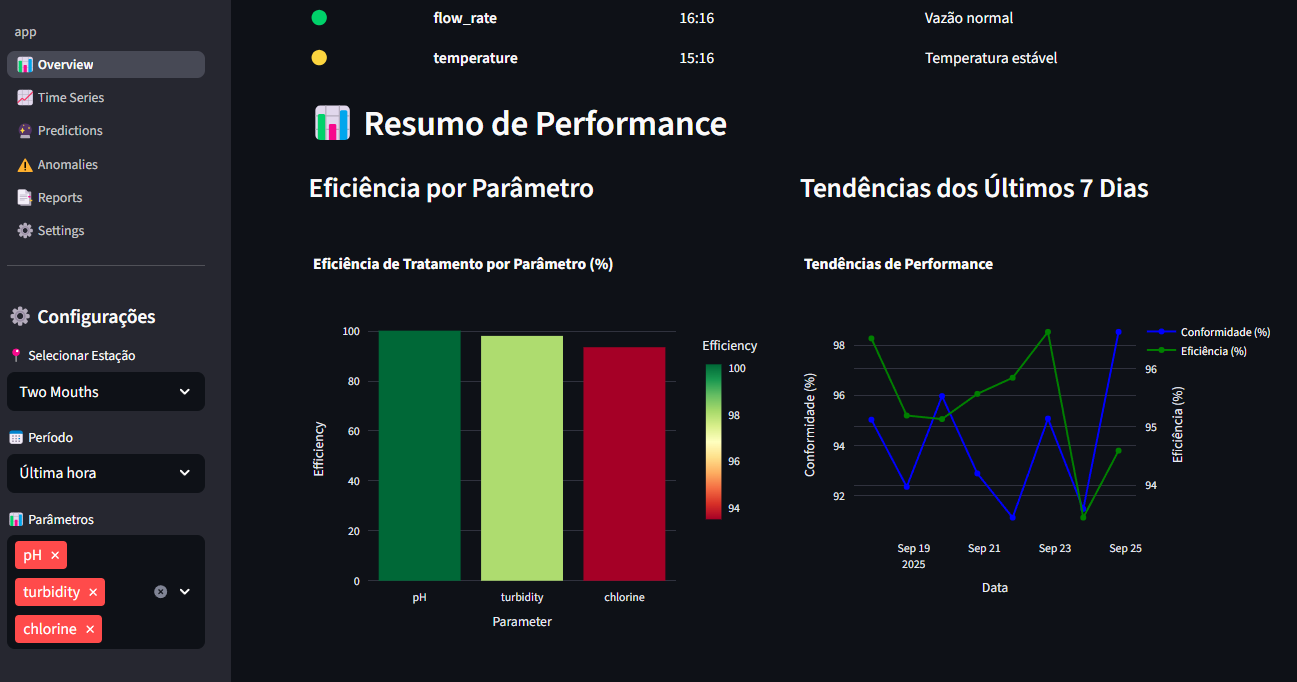
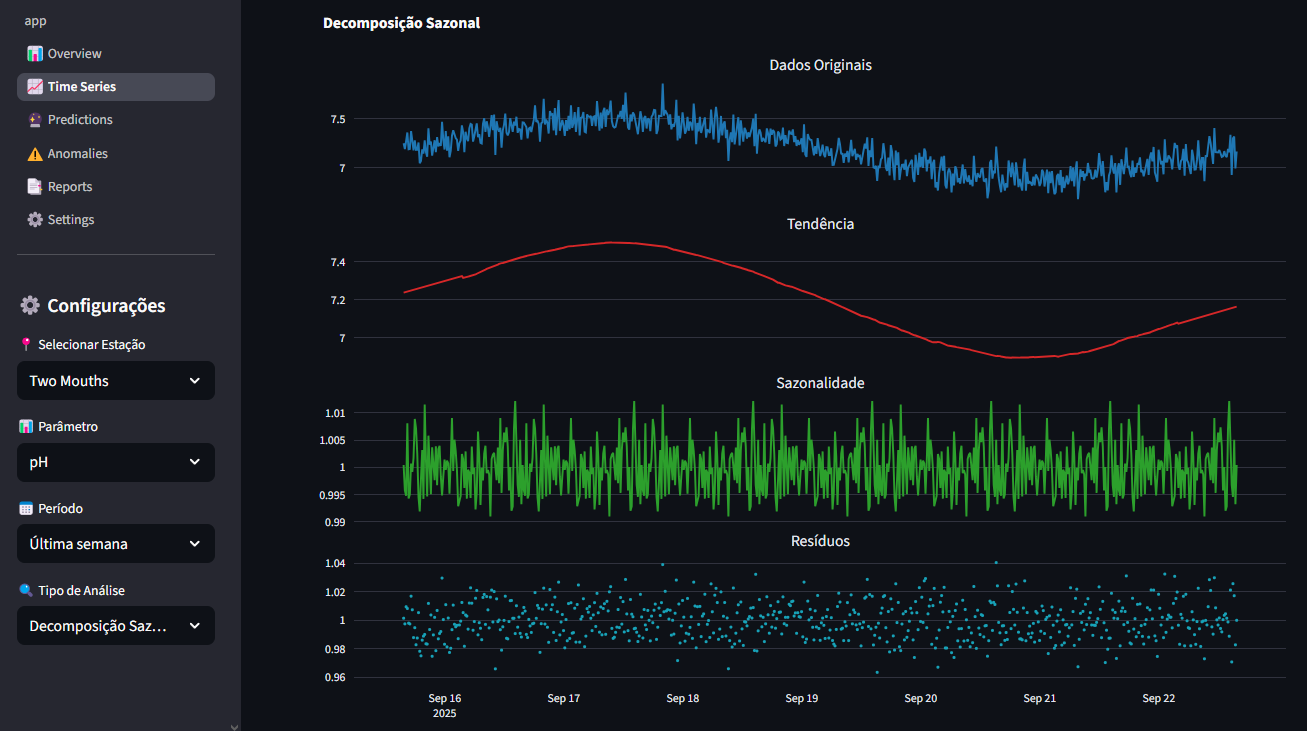
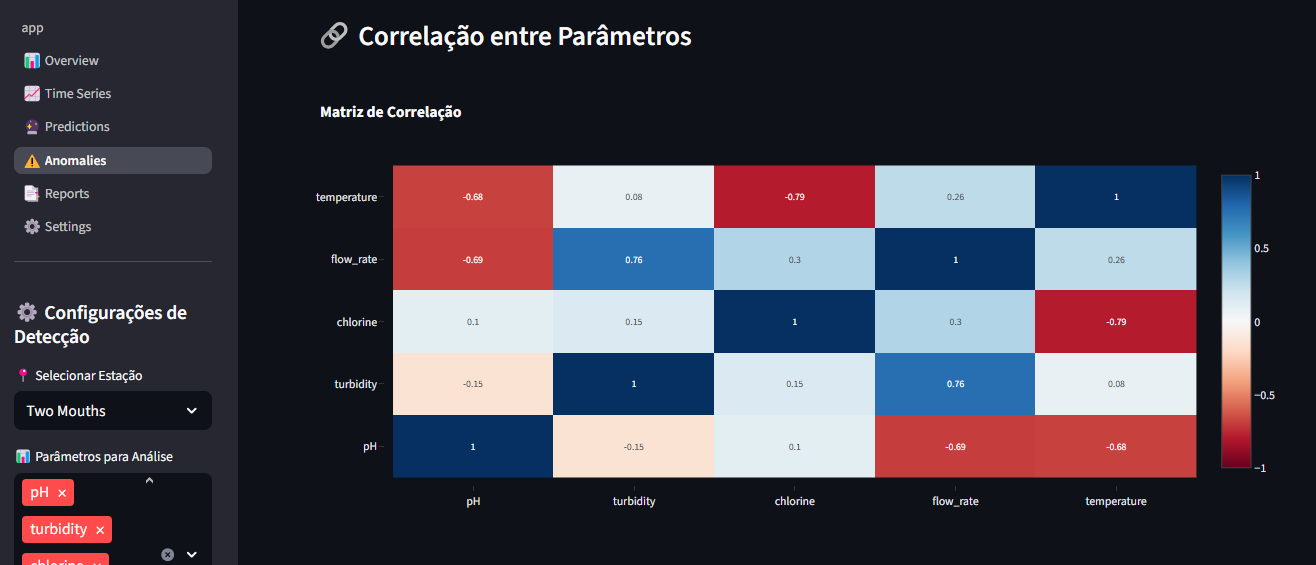
Water Treatment Monitoring
Monitoring system for water treatment plants: forecasting, five anomaly-detection methods, alerting and reports
Screenshots
Main Dashboard
Analytics View
Visualizations
Project Overview
Real-time monitoring for three water treatment plants, each with its own sensor set. Around 7,900 lines across modules and dashboard pages: forecasting with Random Forest, XGBoost, Prophet and ARIMA; anomaly detection by five independent methods; alerting over email, Slack and Teams; automatic PDF, Excel and HTML reports; plus audit and backup. The dashboard runs on synthetic data generated for demonstration; a separate repository holds real SCADA data from the same utility.
Features
- Interactive data visualization dashboards
- Machine learning model demonstrations
- Real-time data analysis tools
- User-friendly web interfaces
- Responsive design for various screen sizes
Applications Included
Data Visualization Dashboard
Interactive charts and graphs for exploring datasets with various filtering and customization options.
Machine Learning Playground
Hands-on interface for testing different ML algorithms and visualizing their performance.
Statistical Analysis Tool
Comprehensive statistical analysis with automated report generation and visualization.
Technologies
Python
Streamlit
Pandas
Plotly
NumPy
Scikit-learn
Getting Started
git clone https://github.com/Calazansmacchiutti/StreamlitApp.git
cd StreamlitApp
pip install -r requirements.txt
streamlit run app.py
View on GitHub
← Back to Projects
Voltage Time Series LSTM
LSTM neural network for voltage time series prediction and analysis
Screenshots
LSTM Model
Predictions
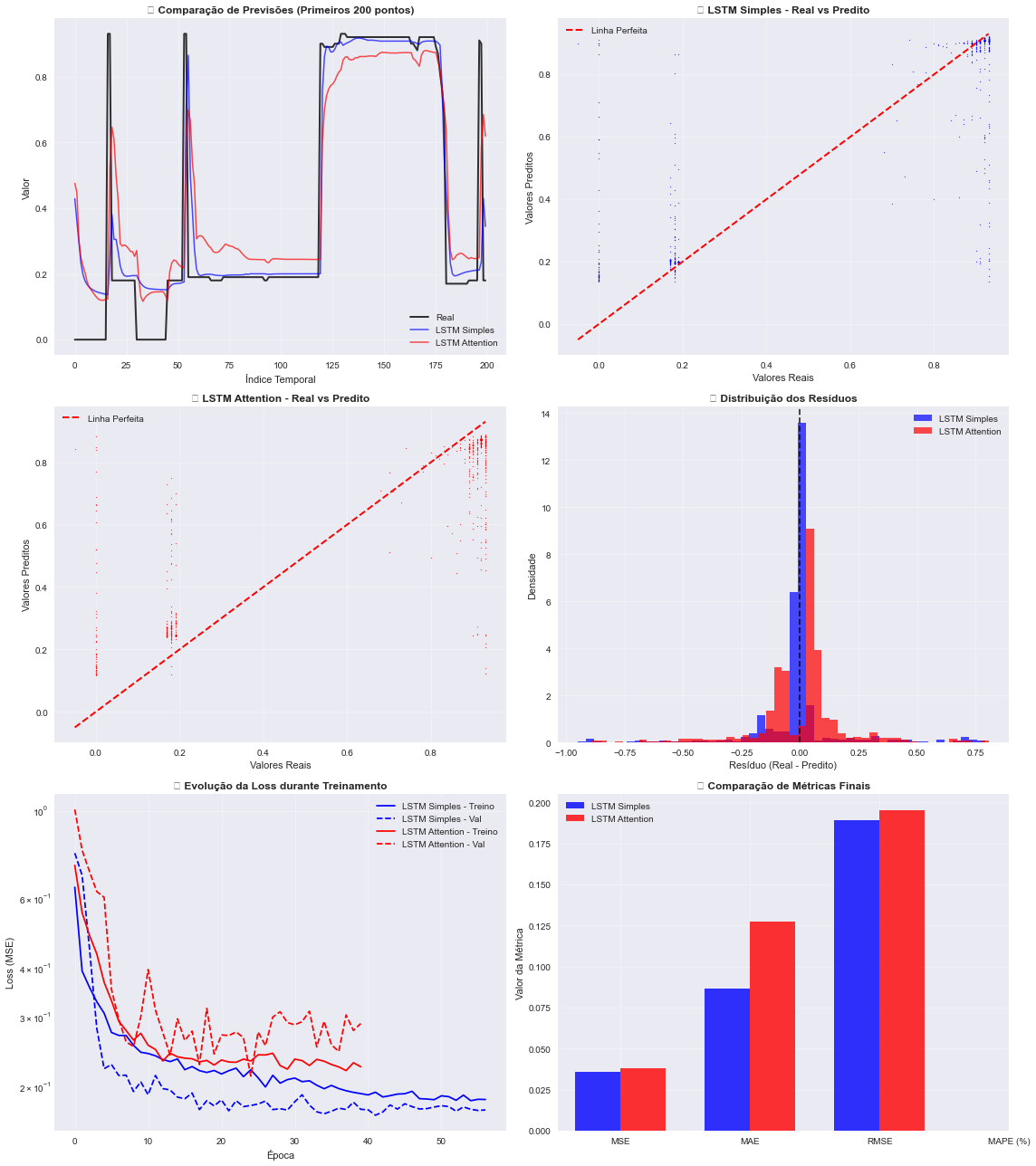
Training
Project Overview
This project implements a Long Short-Term Memory (LSTM) neural network for voltage time series prediction and analysis. The model is designed to forecast voltage patterns and detect anomalies in electrical systems using advanced deep learning techniques.
Features
- LSTM neural network architecture for time series forecasting
- Voltage pattern recognition and prediction
- Real-time anomaly detection capabilities
- Interactive data visualization and analysis tools
- Model performance evaluation and metrics
- Scalable architecture for different time series lengths
Key Components
Data Preprocessing
Comprehensive data cleaning, normalization, and feature engineering for voltage time series data.
LSTM Model Architecture
Multi-layer LSTM network with dropout regularization and optimized hyperparameters for voltage prediction.
Prediction Analysis
Advanced forecasting capabilities with confidence intervals and performance metrics evaluation.
Visualization Dashboard
Interactive plots showing original vs predicted values, loss curves, and model performance metrics.
Technical Details
Model Architecture
- Multi-layer LSTM with configurable hidden units
- Dropout layers for regularization
- Dense output layer for regression
- Adam optimizer with adaptive learning rate
Data Processing
- Time series windowing for sequence generation
- Min-Max normalization for stable training
- Train/validation/test split with temporal ordering
- Feature scaling and inverse transformation
Technologies
Python
TensorFlow
Keras
NumPy
Pandas
Matplotlib
LSTM
Getting Started
git clone https://github.com/Calazansmacchiutti/voltage-times-series-lstm.git
cd voltage-times-series-lstm
pip install -r requirements.txt
python main.py
View on GitHub
← Back to Projects
Fraud Detection (KYC/KYT)
Data Science approaches for detecting fraudulent transactions using supervised and unsupervised learning
Screenshots
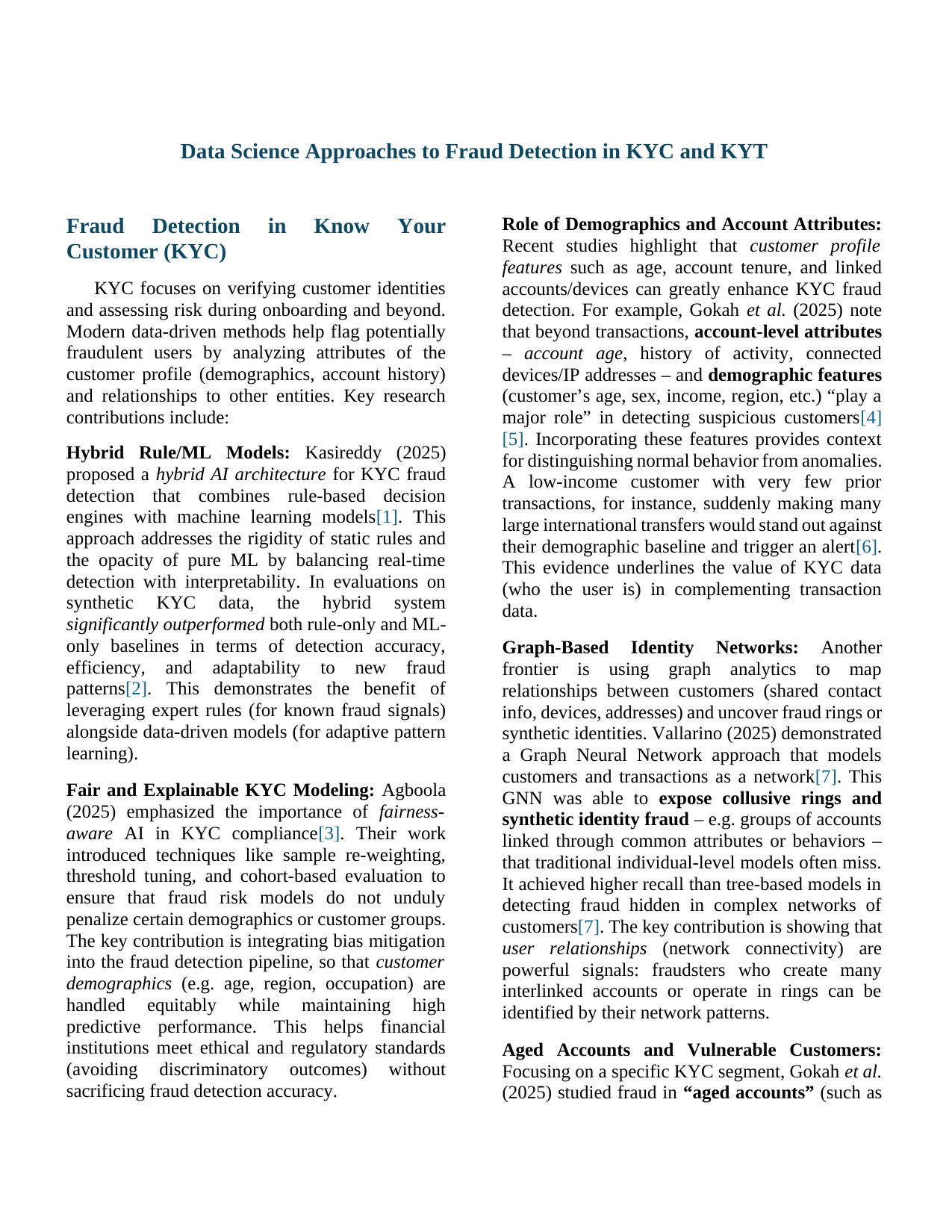
📄 Research Paper (click to download)
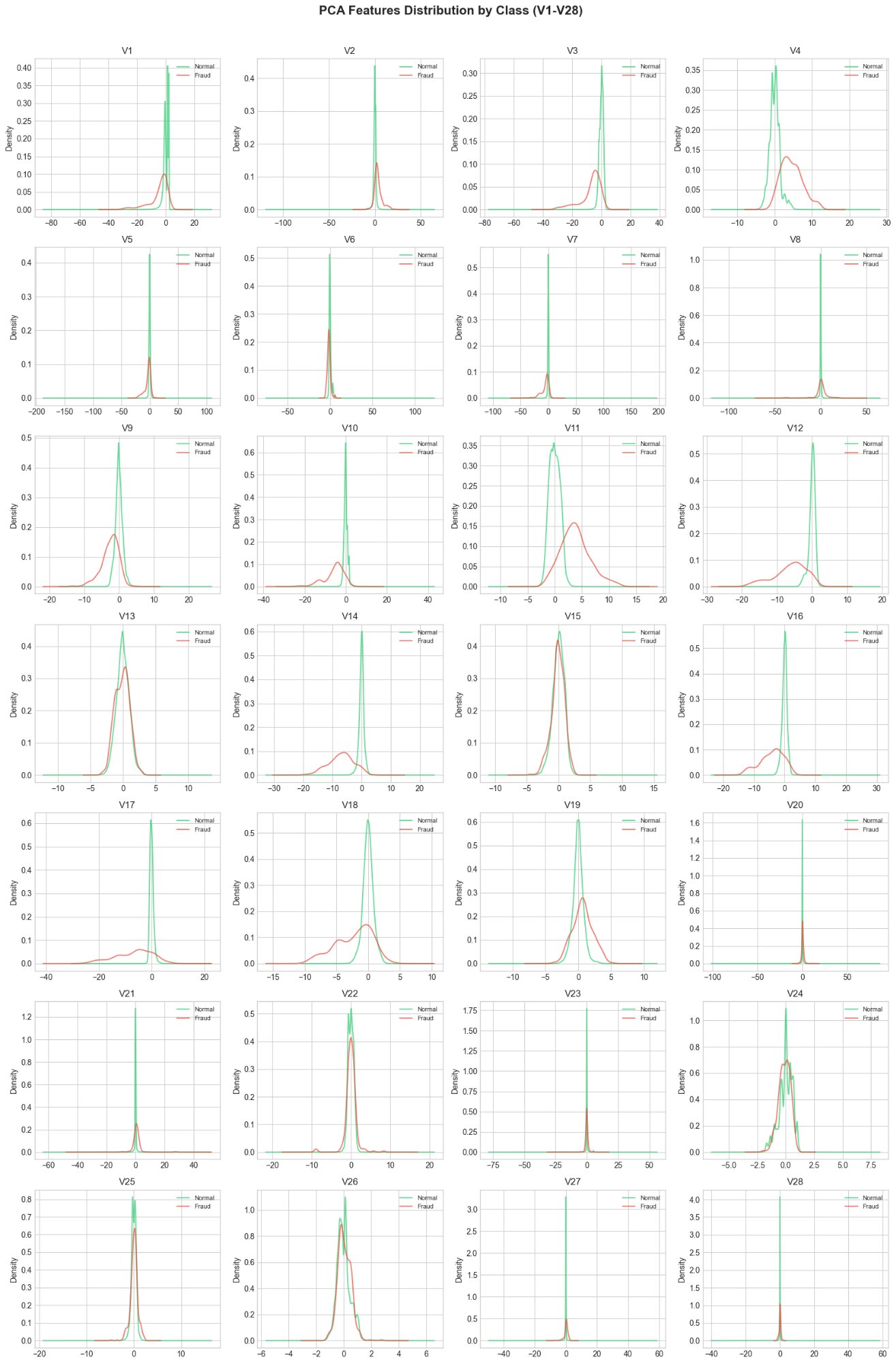
PCA Features
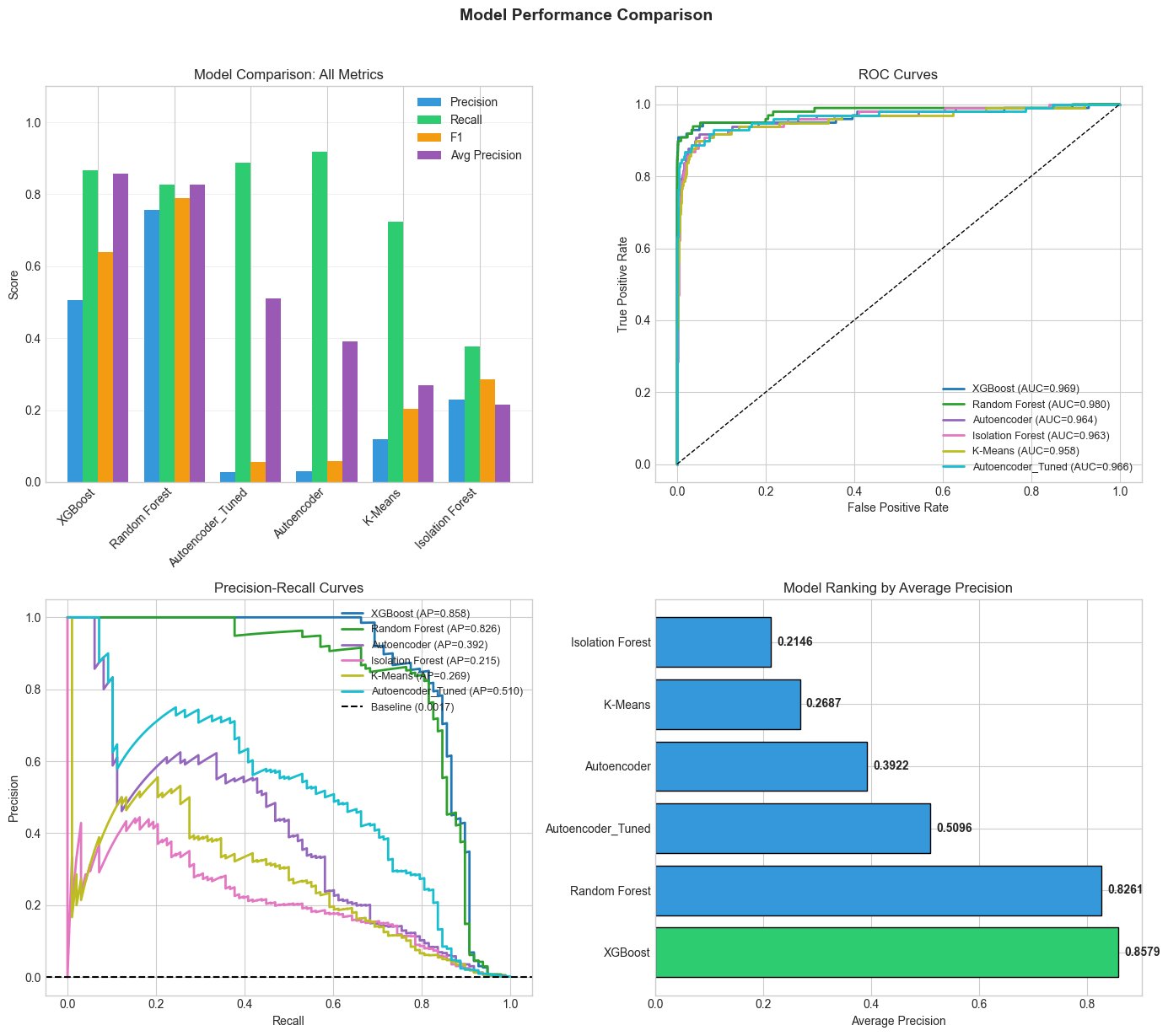
Model Comparison
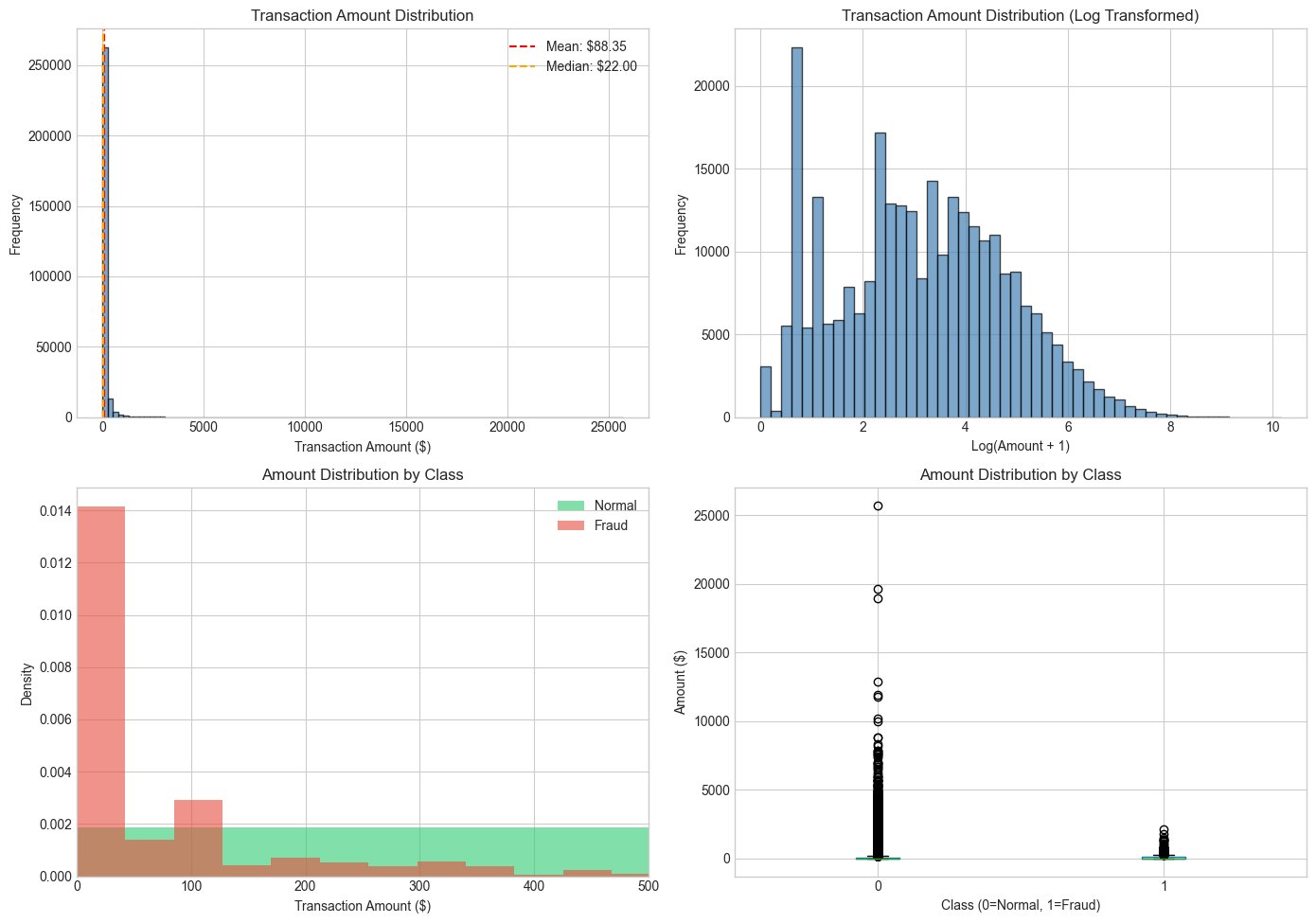
Amount Analysis
Project Overview
This project implements a comprehensive fraud detection system combining Know Your Customer (KYC) and Know Your Transaction (KYT) methodologies. Using the Credit Card Fraud Detection dataset, the system evaluates multiple machine learning approaches including supervised classifiers, unsupervised anomaly detection, and deep learning autoencoders to identify fraudulent transactions in highly imbalanced datasets.
Key Questions Answered
- How do supervised models (XGBoost, Random Forest) compare against unsupervised approaches?
- Which PCA-transformed features show the strongest discriminative power?
- What is the optimal threshold strategy for extreme class imbalance (~0.17% fraud rate)?
- How can autoencoder reconstruction error be leveraged for anomaly detection?
Analytical Highlights
- XGBoost achieved highest Average Precision (0.858) followed by Random Forest (0.826)
- ROC-AUC scores above 0.96 for all models, with XGBoost reaching 0.969
- Autoencoder-based anomaly detection with tuned threshold achieving AP of 0.510
- Feature importance analysis revealing V14, V4, V12, V10 as top discriminators
Technologies
Python
Scikit-learn
XGBoost
TensorFlow/Keras
Pandas
Matplotlib
Results & Impact
Supervised learning significantly outperforms unsupervised methods when labeled data is available. XGBoost emerged as the best performer with 85.8% Average Precision, detecting 86% of fraudulent transactions while maintaining 51% precision. The autoencoder approach provides a viable alternative for cold-start scenarios when labeled fraud examples are scarce.
Download Paper
View on GitHub
← Back to Projects
Curriculum Vitae
Experience
Senior Data Scientist - ESPM
Aug 2024 - Present
Building the data and analytics capability in an area that ran on spreadsheets: data pipelines, predictive modeling, KPI frameworks and dashboards. Design and operation of an internal generative AI platform (RAG, agentic workflow, human review), with evaluation of quality and cost before deployment.
Senior Data Scientist - BINAHKI
Sep 2023 - Aug 2024
Machine learning in production on AWS (SageMaker, S3, EC2) for industrial clients: anomaly detection on compressors and condensers, LSTM models over non-invasive electrical sensor data, and energy consumption forecasting with ARIMAX.
Researcher (Ph.D.) - CBPF
Nov 2017 - Jan 2024
Experimental research and statistical modeling of large, noisy datasets, with publications in high-impact journals.
Education
Ph.D. in Physics
CBPF | 2020-2024
Honorable mention for best thesis (2023). FAPERJ Nota 10 scholarship. Visiting researcher at the University of Warwick, United Kingdom.
M.Sc. in Physics
CBPF | 2018-2020
CAPES scholar.
B.Sc. in Physics
UERJ | 2012-2017
Acoustics research project supported by FAPERJ.
Skills
Machine Learning
- Python
- Machine Learning
- Forecasting
- Anomaly Detection
- XGBoost / LightGBM
- TensorFlow / Keras
- PyTorch
GenAI & LLM Systems
- LLMs (Claude, OpenAI)
- RAG
- Agentic Workflows
- Evaluation Harnesses
- Vector Databases
Cloud, MLOps & Engineering
- AWS (SageMaker, S3, EC2)
- Azure (Functions, ML)
- Docker
- FastAPI
- CI/CD
- Kubernetes
Data & Statistics
- SQL / PostgreSQL
- Pandas / NumPy
- Statistical Modeling
- Experimental Design
- Signal Analysis
- Power BI
Links
GitHub
LinkedIn
Lattes
Scholar